

If you’re passionate about photography, having the right polarizing filters can significantly enhance your images.
For those using traditional cameras, the K&F Concept 55mm Circular Polarizer stands out with its ultra-slim design and premium glass quality.
If you’re capturing moments with a smartphone, the K&F CONCEPT 52mm Clip-on filter is an excellent choice for on-the-go convenience.
For urban photography, the Tiffen 67mm CPL is perfect for reducing reflections and boosting contrast.
Amazon Basics also offers great value with their 58mm option, making it accessible for beginners.
Additionally, RENIAN’s film sheets provide a versatile solution for various creative needs.
Keep exploring to find even more essential filters that can elevate your photography game!
K&F Concept 55mm Circular Polarizer Lens Filter Ultra-Slim Optical Glass

The K&F Concept 55mm Circular Polarizer Lens Filter is an essential tool for photographers aiming to elevate their images with vibrant colors and striking contrasts. With an ultra-slim profile of just 5.3mm, this filter seamlessly fits all 55mm lenses, effectively preventing vignetting. Crafted from premium Japanese AGC glass, it enhances color saturation and eliminates non-metallic reflections, resulting in more vivid skies and pronounced clouds. Featuring an 18-layer multi-coating, it minimizes glare and boosts clarity, making it ideal for capturing detailed outdoor scenes. The CNC non-slip frame ensures easy installation and removal, while the included cleaning cloth helps maintain your filter—because your images deserve to shine!
Best For: Photographers aiming to enhance color saturation and contrast in outdoor photography, especially in scenes featuring skies and reflections.
Pros:
- Ultra-slim design (5.3mm) prevents vignetting, ideal for wide-angle lenses.
- High-quality AGC glass delivers natural color reproduction and clarity.
- 18-layer multi-coating effectively minimizes glare and enhances color depth.
Cons:
- Limited to 55mm lenses, so users should check their lens thread size.
- May be less effective in low-light settings compared to other filters.
- Included cleaning cloth requires careful handling to prevent scratches.
K&F CONCEPT 52mm Clip-on CPL Phone Camera Lens Filter Kit

For mobile photographers aiming for high-quality imagery, the K&F CONCEPT 52mm Clip-on CPL Phone Camera Lens Filter Kit is an excellent choice. Made from Japanese AGC glass, this filter enhances natural colors while its 18-layer MRC coating significantly reduces glare and elevates color saturation. It’s ideal for travel photography, outdoor landscapes, and social media posts. Installation is straightforward—simply screw the filter onto the clip and attach it to your smartphone. You can easily rotate the filter to achieve your desired polarizing effect. Ensure compatibility with your device and enjoy capturing exceptional images with ease!
Best For: Mobile photographers looking to elevate their images with professional-grade color and clarity.
Pros:
- Premium Japanese AGC glass that maintains natural colors and enhances image quality.
- 18-layer MRC coating effectively minimizes glare and boosts color richness.
- User-friendly installation and adjustment for quick setup and shooting.
Cons:
- Compatible only with smartphones and DSLR cameras featuring a 52mm thread, limiting its versatility.
- Achieving the optimal polarizing effect may require angle adjustments, which can be a bit cumbersome.
- Not suited for low-light conditions, as the filter may restrict light entering the lens.
Polarized Film Sheets (3 PCS, 7.8 x 11.8 inches)
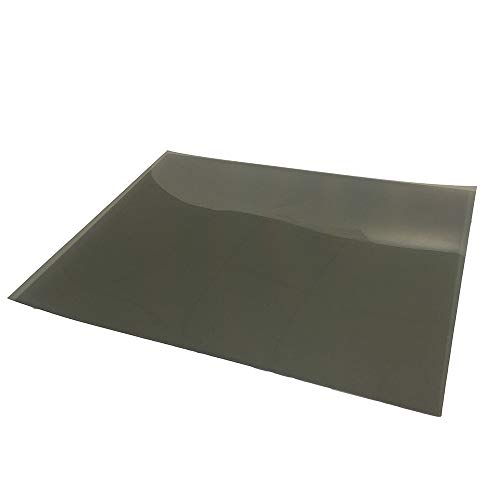
Explore the Power of Polarization with RENIAN Polarized Film Sheets
Looking for an affordable way to demonstrate the effects of polarization in your technology projects? The RENIAN Polarized Film Sheets are the perfect solution. Each package includes three sheets, measuring 7.8 x 11.8 inches, ideal for educational demonstrations, experiments in optics, or even enhancing your photography. These linear polarizing filters effectively reduce glare from surfaces like glass and water, making them a valuable tool for both classroom settings and tech presentations.
Their non-adhesive design allows for flexible application without leaving any residue, ensuring a clean and professional look in your projects. Just remember to remove the protective films on both sides before applying them. Whether you’re teaching concepts in optics, exploring the latest in AI imaging technologies, or capturing stunning visuals, these sheets offer versatility and clarity in one handy package.
Best For: Students, educators, technology enthusiasts, and photographers seeking an affordable way to demonstrate and utilize polarized light effects.
Pros:
- Budget-friendly option for educational and experimental use.
- Non-adhesive design enables flexible application without residue.
- Versatile usage in both classroom settings and photography to reduce glare.
Cons:
- Requires removal of protective films on both sides before use.
- Limited to specific applications; may not fulfill all professional photography needs.
- Size may not be suitable for larger projects or complex experiments.
Filter Photographer: Using Optical Filters in Photography
Product not found or API error.
Optical filters are essential tools for photographers seeking to enhance their images and achieve specific effects. Circular polarizing filters (CPL) effectively reduce glare and enrich color saturation, making them ideal for landscape photography. Neutral density (ND) filters allow for precise control over light intake, facilitating longer exposures that create stunning motion blur in water or clouds. Graduated gray filters are invaluable for balancing exposure between bright skies and darker landscapes, ensuring consistent lighting throughout the scene. By experimenting with these filters in various conditions, photographers can unlock their creative potential, so don’t hesitate to explore different combinations and techniques to elevate your photography.
Best For: Photographers aiming to improve image quality and capture specific effects under diverse lighting conditions.
Pros:
- Versatility: Various filters cater to a range of photography styles, from landscapes to portraits.
- Creative Control: Enables manipulation of light and color, enhancing the overall image quality.
- Improved Exposure: Graduated filters effectively balance exposure, preventing overexposed skies and underexposed landscapes.
Cons:
- Learning Curve: Mastering the effective use of filters requires practice and experimentation.
- Cost: High-quality filters can be pricey, especially for premium lenses.
- Additional Gear: Filters contribute to the bulk of photography equipment, which may be cumbersome to carry.
Amazon Basics 58mm Circular Polarizer Lens Filter
Product not found or API error.
The Amazon Basics 58mm Circular Polarizer Lens Filter is an essential tool for photographers aiming to enhance outdoor scenes. This filter intensifies the richness of blue skies and effectively reduces glare, ensuring your images stand out. Featuring 16 multi-layer coatings, it minimizes reflections for clearer, sharper photos. Compatible with both auto-focus and non-auto-focus cameras, you won’t encounter compatibility issues—just ensure your lens has a 58mm thread size before ordering. Ideal for managing reflections and elevating outdoor photography, this filter is a valuable addition to your camera accessory toolkit.
Best For: Photographers seeking to enhance outdoor imagery and manage reflections effectively.
Pros:
- Enhances image quality by intensifying blue skies and minimizing glare.
- Versatile compatibility with various camera types, including both auto-focus and non-auto-focus models.
- Durable multi-layer coatings reduce reflections for improved clarity in photos.
Cons:
- Limited to 58mm lenses, necessitating users to confirm thread size before purchase.
- May introduce a slight color cast if not used correctly or adjusted for specific lighting conditions.
- Primarily optimized for outdoor photography, making it less suitable for indoor settings.
Your Microscope Hobby: Multi-Colored Filters Guide

For technology enthusiasts eager to enhance their understanding of intricate systems, polarizing filters are a valuable tool. They work by reducing glare and boosting contrast, making them ideal for examining crystalline structures in materials science. Additionally, consider using Rheinberg filters to create vibrant backgrounds, particularly useful for visualizing transparent components in robotics and automation. Darkfield and oblique illumination filters can elevate your analysis, highlighting details against dark backgrounds or providing a 3D effect in AI visualizations. If you’re feeling creative, you can even craft your own filters using colored gels and glass slides tailored to your specific research needs. Each filter type plays a crucial role in revealing the complexity of technological systems.
Best For: Technology enthusiasts looking to enhance visibility and contrast in various applications through different filter types.
Pros:
- Versatile Application: Suitable for analyzing different materials, including crystalline and transparent components.
- Enhanced Detail: Improves visibility and contrast, revealing fine details in technological systems.
- DIY Options: Ability to create custom filters tailored to specific analysis needs.
Cons:
- Learning Curve: Requires some experimentation to master filter use effectively.
- Cost of Quality Filters: High-quality commercial filters can be expensive.
- Limited Effectiveness: Not all materials may benefit from every type of filter, necessitating multiple options.
Tiffen 67mm CPL Circular Polarizing Filter Reduce Glare & Reflections

Enhance your technology photography with the Tiffen 67mm CPL Circular Polarizing Filter, tailored for those capturing vivid details and minimized reflections. This circular polarizer enriches blue hues and sharpens cloud textures, making your tech landscapes stand out. By simply rotating the filter, you can control reflections on surfaces like glass and water, ensuring cleaner, more professional images. Crafted from premium Schott B270 optical glass, it guarantees clarity while reducing unwanted glare. Its slim, durable design makes it easy to carry, and the included padded pouch protects it during travels. Ideal for tech expos, urban environments, and innovative setups, it’s a must-have for your gear.
Best For: Photographers aiming to elevate their tech imagery with vivid colors and minimized glare.
Pros:
- Enhances color and contrast, making tech landscapes and outdoor scenes more striking.
- User-friendly with a simple rotation to manage reflections and glare.
- Robust design with a padded pouch for easy transport and protection.
Cons:
- Limited to 67mm lenses, which may not accommodate all camera systems.
- May necessitate additional exposure adjustments due to increased light absorption.
- Can introduce a slight color cast if not utilized properly.
Factors to Consider When Choosing Polarizing Filters
When selecting a polarizing filter, it’s crucial to assess various important features. Consider compatibility with your camera lenses, as well as the optical quality and coatings that can impact performance. Additionally, ensure you choose the right filter size and type for your specific needs. Reflect on how the filter can enhance your photography applications, especially in relation to advancements in technology, such as automation and AI, which can further optimize your imaging results.
Key Features to Evaluate
How do you choose the right polarizing filter for your photography needs? Start with optical quality; filters made from high-quality glass, like Japanese AGC glass, help maintain natural colors while reducing glare. Next, check for coating layers—filters with multiple coatings, such as 18 layers, minimize reflections and enhance color saturation.
Consider filter thickness as well; ultra-slim designs are essential for preventing vignetting, especially with wide-angle lenses. Also, ensure the filter size matches your lens thread, marked with the “Ø” symbol, for a proper fit. Finally, look for filters with a non-slip frame. This feature makes installation and adjustments easier, allowing you to quickly achieve the desired polarizing effect during shoots.
In addition to photography, advancements in technology, such as automation and robotics, can enhance your creative process. Exploring new AI-driven tools can also help streamline your workflow, making it easier to capture stunning images with the right equipment.
Compatibility With Camera Lenses
Choosing the right polarizing filter isn’t just about quality features; compatibility with your camera lenses is equally crucial. Always check the filter thread size of your lens, indicated by the “Φ” symbol, to ensure the filter matches perfectly. Polarizing filters come in various sizes, so selecting one that fits your lens diameter is vital for optimal performance. If you’re using clip-on designs for devices like smartphones or cameras, make sure they’re compatible with your specific models. Using an incorrect size can lead to vignetting, particularly with wide-angle lenses, which can impact image quality. If you have multiple lenses with different thread sizes, consider investing in step-up or step-down rings to adapt a single polarizing filter for various lenses. This approach not only enhances your photography but also streamlines your gear, much like how automation simplifies tasks in technology.
Optical Quality and Coatings
Optical quality is a crucial consideration when selecting a polarizing filter, as it significantly influences your photography. High-quality filters typically utilize premium materials like Japanese AGC glass, which ensures exceptional clarity and color accuracy. Look for advanced multi-layer coatings—such as 18-layer coatings—that reduce reflection and glare, enhancing color saturation and contrast. The thickness of the filter’s frame is also important; ultra-slim designs can help prevent vignetting, especially when using wide-angle lenses. Choose a filter that maintains natural color reproduction while effectively managing glare for vibrant images. Filters with high-performance coatings not only elevate image quality but also offer resistance to scratches and environmental elements, providing durability for long-term use. Investing in quality filters is a wise choice for any photographer seeking to elevate their work.
In the realm of technology, similar principles apply across various fields, from automation to robotics and AI advancements. Just as optical quality enhances photography, leveraging high-quality components and advanced designs can significantly improve performance and outcomes in technology-driven projects.
Filter Size and Type
When selecting a polarizing filter, the right size and type can significantly enhance your photography, much like how advancements in technology transform various fields. First, confirm that the filter size matches your lens thread size, indicated by the “Φ” symbol. Circular polarizing filters (CPL) are particularly suited for digital cameras, allowing for seamless autofocus and metering—similar to the efficiency automation brings to processes. In contrast, linear polarizers may interfere with these functions, much like outdated technology can hinder performance.
Depending on your needs, choose a CPL for reducing glare and enhancing colors, akin to how AI advancements improve image processing. If you opt for a linear polarizer, consider it for specific optical applications. Pay attention to the filter’s diameter; common sizes include 52mm, 55mm, and 67mm, just as varying components in robotics require precise specifications. If your filter is smaller than your lens, a step-up ring can help adapt it, similar to how versatile technology solutions can bridge gaps. Lastly, consider ultra-slim designs to prevent vignetting on wide-angle lenses, ensuring that your setup remains optimal for capturing stunning images.
Intended Photography Applications
Polarizing filters play an important role in enhancing your photography, particularly in landscape scenarios. They boost color saturation and contrast, making blue skies and white clouds pop. In outdoor settings, these filters cut glare from reflective surfaces like water and glass, improving image clarity. For those interested in capturing dynamic travel or street scenes, polarizing filters help manage reflections while highlighting architectural details and vibrant urban life. When shooting at angles like 90° to the sun, they optimize sky enhancement and reduce unwanted reflections. By understanding the specific light conditions and desired effects in various photography applications, photographers can effectively utilize polarizing filters to achieve professional-quality images that truly stand out, much like how advancements in AI and robotics can elevate performance across different technology sectors.


